

Requirements
- Application Form
- Application Fee / Seat Registration Fee
- Academic Transcipts: Completion of High School, GED, Adult High School diploma or equivalent experience. Transcripts must indicate successful completion of high school, post-secondary program, diploma or degree (if any), or have supporting documents that indicate completion. NOTE: A conditional acceptance can be granted for those who have yet to complete high school. We ask that you submit a copy of most recent transcripts.
- Profile Letter: This is a one or two-page letter describing you, your background, your ambitions/goals/career objectives and reasons you feel McKenzie College is the right school for you.
- Proof of English Proficiency: applicant's English proficiency test results or English language school transcripts.
- Portfolio/ Resume
- The successful completion of the Visual Arts Foundation program.
Features
- Design Process
- Concept Art
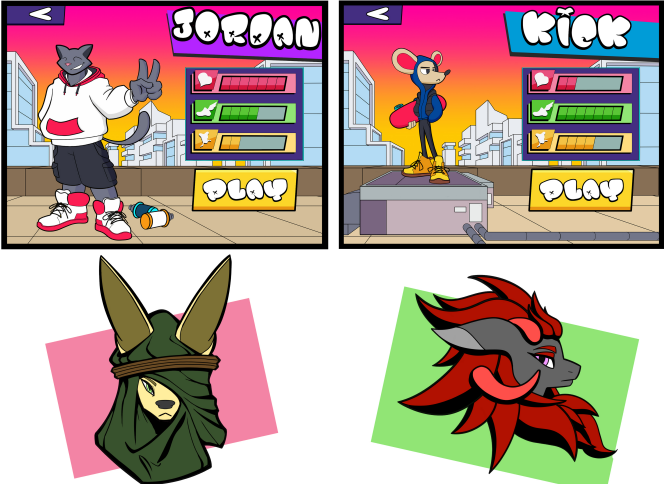
- Character Design
- Digital Painting & Color
- Character Modeling / Sculpting
- Background Design
- Shape Language in Design
- Intro to Animation
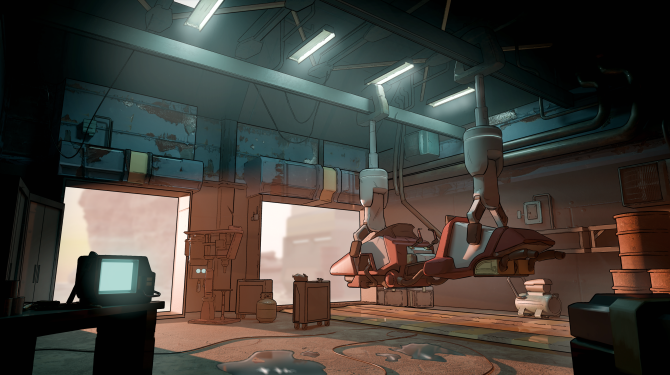
- Prop & Vehicle Design
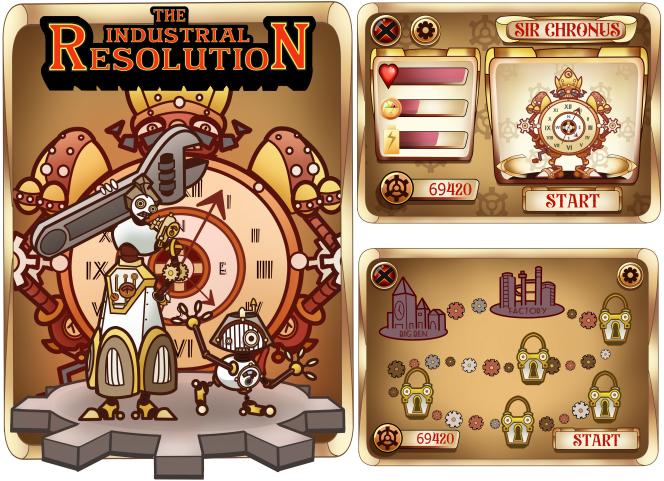
- User Interface
Career Paths
- Small Business Owner
- Freelance Artist
- Cartoonist
- 2D Animator
- 3D Animator
- Character Modeler
- Commercial Artist
- Game Producer
- Concept Artist
The Video Game Art program at McKenzie College prepares students for careers in the gaming industry by teaching essential skills in both 2D and 3D game art. The program emphasizes creative problem-solving and portfolio development, covering areas like character design, animation, and digital painting.
Graduates are equipped for roles such as animators, character modelers, and concept artists, ready to meet the demands of the growing interactive game market.

The prerequisite for the Video Game Art program is also the successful completion of the Visual Arts Foundation program.
The program typically covers tools like Photoshop, Illustrator, Blender, and Maya, which are integral to creating video game art.
Yes, students often work on hands-on projects that simulate real-world game development, providing practical experience and opportunities for collaboration.
Graduates can pursue careers as game artists, character designers, environment artists, or animators in the video game industry.